
Author name: Daniel

Pros and Cons of Solar Panels
Solar

Pros and Cons of Solar Panels

Solar panels have become increasingly popular in recent years as a means of generating electricity. Solar panel technology does not produce any emissions, so it is a very environmentally friendly way of generating electricity. Additionally, solar panels require very little maintenance once they are installed, and they have a long lifespan. However, solar panels can be quite expensive to install, and they only generate electricity during the daytime. So, is solar power right for you? Honey Bees Roofing & Solar is going over the pros and cons of solar panels to determine if they’re right for your home. Pros of Solar Panels Clean Energy One of the biggest advantages of solar panels is that they provide clean energy. Unlike fossil fuels, which release harmful toxins into the atmosphere, solar power is completely renewable and emits no pollution.  Another plus is that solar energy can be used to generate electricity, heat water, and even power cars—making it a truly versatile source of power. Additionally, solar panels are becoming increasingly affordable, making them a viable option for homeowners and businesses alike. Less Reliance on the Grid With the increasing popularity of solar panels, there has been a corresponding decrease in reliance on the grid. This is largely due to the fact that solar panels are able to generate their own electricity, making them self-sufficient. In addition, solar panels are also much cheaper to operate than traditional power sources. As a result, less reliance on the grid is one of the main advantages of solar panels. Improve Your Home’s Value One of the great things about solar panels is that they can help to improve the value of your home. While the initial investment may be significant, the long-term savings on energy costs can quickly add up. Additionally, solar panels can help to make your home more attractive to potential buyers. In today’s market, green features are increasingly in demand, and solar panels are a great way to show that your home is eco-friendly. With the right planning and execution, installing solar panels can be a great way to boost the value of your home. Take Advantage of Incentive Programs Another major benefit of solar panels is that they are eligible for a variety of incentive programs. These programs can provide significant savings on the initial cost of installation, making solar an attractive option for many homeowners. In addition, some programs also offer ongoing rebates or tax credits that can further offset the cost of ownership. Cons of Solar Panels Expensive Initial Cost One of the biggest cons of solar panels is the initial installation cost. Solar panels can be expensive to purchase and have installed. However, over time, they will save you money on your energy bill. They will also last for many years, so the initial investment is worth it in the long run. If you are considering solar panels, be sure to factor in the initial cost before making your decision. Potentially Long Payback Periods Solar panels are a popular choice for those looking to reduce their reliance on fossil fuels and lower their carbon footprint. Another potential drawback is that solar panels have a long payback period. Solar panels require a significant upfront investment, and it can take several years to recoup the cost through savings on your energy bill. In some cases, the payback period may be as long as 20 years. This is one of the biggest cons associated with solar panels, and it’s something that you should consider before making the switch. Luckily, in some cases, the payback period is as low as 6 years! Call a Professional If you’re interested in a no-pressure educational conversation about solar energy or installing solar panels on your building or home, then contact Honey Bees Roofing & Solar online or give us a call today at 817-668-6131! We offer free roofing inspections so we can help you choose the best roofing option for your home as well. In addition, we can work on any roof and help you determine what may need to be repaired. If you need a free roof inspection, don’t hesitate to contact us!

What is the Solar Payback Period?
Solar

What is the Solar Payback Period?

Solar energy is a growing industry, and it’s growing quickly. Every day many households are deciding to take their home’s energy into their own hands by installing solar panels onto their home. When considering solar for your home, there are quite a few factors that are important to think about. One of these is the solar payback period. What is the Solar Payback Period? The solar payback period is the length of time it takes for a solar system to generate enough energy to offset its initial cost. In other words, it’s the amount of time it takes for a solar PV system to “pay for itself.” There are several factors that go into determining a photovoltaic system’s payback period, including the system’s size, cost, and location. The average payback period for a solar panel system in the U.S. is between 6 and 10 years. The solar payback period is an important consideration for anyone thinking about installing a solar PV system. A shorter payback period means that the system will start saving you money sooner. And a longer payback period means that the system will take longer to start saving you money. What is the Average Solar Payback Period in the United States? The average solar payback period in the United States is about 6-10 years. However, this number can vary significantly depending on a number of factors, including the cost of the system, the amount of sunlight that the system receives, and the electricity rates in your area. For example, if you live in an area with high electricity rates, your payback period may be shorter because you’ll save more money on your energy bills. Or, if you have a large solar PV system, your payback period may be longer, because the initial cost of the system will be higher. Payback periods can also vary depending on the type of solar PV system that you install. For example, payback periods for ground-mounted systems are typically shorter than payback periods for rooftop systems. What can Impact the Solar Payback Period? There are a number of things that can impact the solar payback period. The most important of these is the cost of the system. Other important factors include the amount of sunlight that the system receives, the electricity rates in your area, and the type of solar PV system that you install. There are several ways to shorten a solar PV system’s payback period, including: Increasing the system’s size: A larger system will generate more electricity and offset its initial cost faster. Installing the system in a sunny location: Solar PV systems generate more electricity in sunny locations than in shady or cloudy ones. Choosing a less expensive system: A cheaper system will have a shorter payback period than a more expensive one. Taking advantage of solar incentives: Some states offer solar incentives that can shorten a system’s payback period. Why is the Solar Payback Period so important? The solar payback period is important because it determines how long it will take for a solar PV system to generate enough energy to offset its initial cost. In other words, it’s the amount of time it takes for a solar PV system to “pay for itself.” The payback period is an important consideration for anyone considering solar power. A shorter payback period may be more important to you if you’re looking to save money on your energy bills. Or, if you’re interested in reducing your environmental impact, a longer payback period may be worth the investment. No matter what your reasons are for considering solar power, it’s important to understand the solar payback period and how it may impact your decision. By doing your research, you can make an informed choice about whether or not solar is right for you. Call a Professional The solar payback period is an important factor to consider when deciding whether or not to install a solar PV system. However, it’s not the only factor that you should take into account. Other important considerations include the cost of the system, the amount of sunlight that the system receives, and the electricity rates in your area. By doing your research and taking all of these factors into account, you can make an informed decision about whether or not solar power is right for you. If you’re interested in a no-pressure educational conversation about solar energy or installing solar panels on your building or home, then contact Honey Bees Roofing & Solar online or give us a call today at 817-668-6131! We offer free roofing inspections so we can help you choose the best roofing option for your home as well. In addition, we can work on any roof and help you determine what may need to be repaired. If you need a free roof inspection, don’t hesitate to contact us!
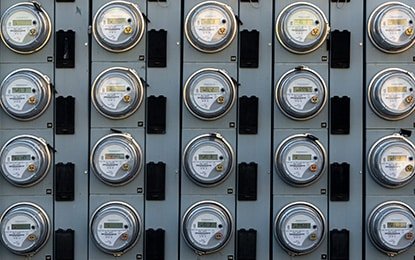
Are Solar Panels Recyclable?
Solar

Are Solar Panels Recyclable?

Solar panel usage is on the rise across the United States. Manufacturing all of these systems will be excellent for increasing the use of renewable energy, but there are hidden costs that not everyone is aware of. Most solar panels are good for about twenty-five to thirty years. The older a system is, the less effective it will be at making electricity. After replacing a solar panel, what happens to the old photovoltaic cells? Are solar panels recyclable? Honey Bees Roofing & Solar has the answers to your questions! Can you Recycle a Solar Panel? Recycling a solar panel is possible, but it’s more difficult than you may think. There are many different types of materials that make up these devices. Silicon-based solar panels, for example, have glass, aluminum, copper, polymer, and silicon inside of them. In addition to the copper wires, there can be small amounts of silver and copper which are challenging to remove from the systems. Solar panels also have trace amounts of toxic materials like lead and cadmium telluride, the latter of which is also a carcinogen. If these devices aren’t properly disposed of, then they can leach these toxic components into the groundwater, and if they just go to the landfill then all of these components are being wasted. It’s vital to recycle solar panels, but is it cost-effective? How Cost-Effective is Recycling a Solar Panel? While it’s critical to try and reuse the expensive and rare components found in a photovoltaic system, unfortunately, there isn’t a large market for it currently. The process of properly recycling a solar panel requires thermal, chemical, and mechanical processes which makes it very costly to complete. In addition, the market demand for many of the components doesn’t justify the expensive process of recycling these devices. Hopefully, as more people utilize solar energy and we innovate around the use of photovoltaic systems, it will be easier and cheaper to recycle them. Current Solar Panel Recycling Options There are some states that mandate the recycling of solar energy systems. In California, solar panels are considered hazardous waste. This encourages recycling and reduces the number of solar systems that end up in landfills.  Washington passed a law in 2017 that requires photovoltaic installers to finance the collection and recycling of solar panels. It’s even at no cost to the owners of the solar systems. There are multiple companies across the country that recycle solar panels, but many of them are just recycled in glass recycling plants. Solar technology still has a ways to go, especially when it comes to recycling, but the future is looking hopeful with the number of renewable energy systems on the rise! There has not been a better time to install solar panels on your home! Call a Professional If you’re interested in a no-pressure educational conversation about solar energy or installing solar panels on your building or home, then contact Honey Bees Roofing & Solar online or give us a call today at 817-668-6131! We offer free roofing inspections so we can help you choose the best roofing option for your home as well. In addition, we can work on any roof and help you determine what may need to be repaired. If you need a free roof inspection, don’t hesitate to contact us!
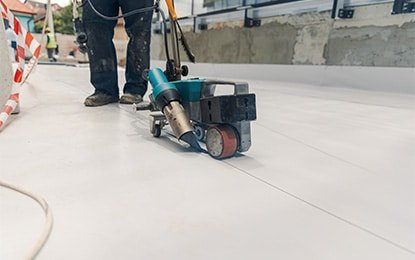
What is a Kilowatt?
Solar

What is a Kilowatt?

When you look at energy readings, you’ll see things measured in kilowatt-hours. Whether it’s your electric bill or the output of a solar panel system, it will most likely be in kilowatt-hours. It can be confusing to understand what a kilowatt or a kilowatt-hour are, but being aware of them can help you in many ways. By doing so, you’ll be able to better monitor your energy usage, make smarter choices about saving energy, as well as work towards lowering your overall electric bill. Luckily, Honey Bees Roofing & Solar, can educate you if you would like to learn more about kilowatts. Learning about kilowatt-hours can also help you determine which solar panel system is the best for your home. What is a Kilowatt? A kilowatt is a basic unit of energy that measures how much energy an appliance consumes. The acronym for a kilowatt is “kW”. The kilowatt is simply one thousand watts, another unit of energy that is frequently seen. Energy readings use kilowatts due to the large volume of electricity that many appliances consume. What is a Kilowatt-hour? A kilowatt-hour is the amount of energy you would use by keeping a 1,000-watt appliance running for one hour. In other words, it’s a unit that measures how much energy you’re using. Its acronym is “kWh”. Different devices will use a kWh in different amounts of time. For example, a 100-watt lightbulb would consume a single kWh in 10 actual hours. On the flip side, a 2,000-watt device will consume a kWh in about 30 minutes. The Difference Between Kilowatts and Kilowatt-hours It isn’t difficult to get kilowatts (kW) and kilowatt-hours (kWh) mixed up. They’re very similar, but they measure different things. Kilowatts are specifically for measuring how much energy each device or appliance uses. A kilowatt-hour measures the total amount of energy a system generates or consumes. Kilowatts measure electricity, kilowatt-hours measure energy use. Kilowatt-hours and Solar Energy When it comes to solar panels, it is important to have some knowledge of kilowatt-hours. If you want to install solar panels on your home, then you’ll need to figure out how many kilowatt-hours your home consumes a day. That way you can determine what configuration of type and number of solar panels you’ll need to offset the power consumption of your home. If you’re under-consuming, then you’ll still be heavily reliant on the power grid, and if you’re over-consuming then you may be putting energy back into the grid more than you’d like. While it can be difficult to determine exactly what solar setup your home will need, you can find help close by! Call a Professional If you’re interested in a no-pressure educational conversation about solar energy or installing solar panels on your building, then contact Honey Bees Roofing & Solar online or give us a call today at 817-668-6131! We offer free roofing inspections so we can help you choose the best roofing option for your home. In addition, we can work on any roof and help you determine what may need to be repaired. If you need a free roof inspection, don’t hesitate to contact us!
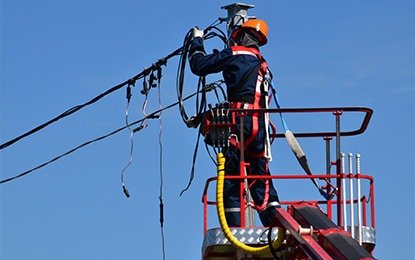
Common TPO Roofing Problems
Commercial Roofing, TPO Roofing

Common TPO Roofing Problems

There are many types of commercial roofing systems available. When it comes to roofs without a slope, single-ply roofing is a great option. TPO is one of the most popular single-ply roofing options on the market. TPO roofing is durable and energy-efficient, but can also have its own issues. There are some common TPO roofing problems that you may want to be aware of. Luckily, Honey Bees Roofing & Solar is an expert and can help you when faced with these type of roofing dilemmas. What is TPO Roofing? TPO stands for Thermoplastic Polyolefin. It’s one of the most popular single-ply roofing options on the market. Single-ply roofing is a large sheet of synthetic material. The sheets are perfect for flat roofing, as the installation is relatively simple. Thermoplastic Polyolefin specifically is energy efficient due to its ability to reflect most UV rays. In addition, TPO is typically incredibly durable which makes it an excellent choice for any commercial building. What are some Common TPO Roofing Problems? Puncturing the Membrane Out of the problems you may face with TPO, this is probably the worst of them. TPO roofing is very flexible and durable, and it’s easy to walk on. However, single-ply roofing doesn’t have a hard outer shell to protect it from sharp objects. Things like dropped tools, screws, and even gravel can get pushed into the rubber membrane. This can lead to breaks or tears in the TPO sheet, which leaves the roofing vulnerable to further damage. Adhesives Taking Damage from the Sun Since the roof is always in the sunlight, it’s no surprise that UV rays are one of the biggest factors of wear and tear for TPO roofing. If the TPO is fastened to the roof using adhesives, then the sunlight may wear the adhesives down over time. The adhesives seal the seams of the TPO sheets to make them waterproof as well. If they deteriorate, it can lead to major issues with your roofing. Fortunately, the fix is simple. When installing the TPO sheets, they simply have to overlap to protect any adhesives. Installation Issues It’s important that TPO roofing is installed by a professional. It’s something that can be difficult to put on a building, and installation issues can be disastrous for the longevity of the roof. UV damaged adhesives and roof punctures can both be signs of a larger problem, an issue with the installation itself. Call a Professional While issues with TPO roofing can occur, it is still one of the best roofing options for any building that has a roof without a slope. If you’re interested in TPO roofing or need a repair on the existing TPO roof on your building, then contact Honey Bees Roofing & Solar ​online, or give us a call today at 817-668-6131​! We offer free roofing inspections, and we can help you choose the best roofing option for your home. In addition, we can work on any roof and help you determine what may need to be repaired. If you need a free roof inspection, don’t hesitate to contact us!

Possible Electricity Shortage in Texas
Solar

Possible Electricity Shortage in Texas

Across the country electric grid operators are sending a stern warning; electric power generation is starting to struggle to match the demand. The stresses of peak conditions, as well as potential delays in new power plants, have the potential to cause rolling blackouts in many states across the nation. There are multiple compounding reasons that may result in an electricity shortage in Texas. It may be a good time to prepare and even consider installing solar panels on your home. A System Under Stress The entire electrical grid has several problems befalling it all at once. One of these issues is the factor of age. Most of the systems that the United States use to transport electricity across long distances were built just after the second world war. The distribution lines that bring the power to individual areas are also decades old. Many power failures are due to the old systems failing under duress. The American Society of Civil Engineers found that “70% of transmission and distribution lines are well into the second half of their expected 50-year lifespans.” The routes that move electricity around are getting far too old, and no one is replacing them quickly enough. Extreme Weather Another factor that continues to prove to be a difficulty for the electrical grid is the upsurge of extreme weather. From the droughts and wildfires that ravage California, to intense freezes in our own backyard, the weather is rapidly and relentlessly worsening. The conditions put a strain on the power grid, and the effects were clearly seen during the 2021 Texas power crisis. The turbulent weather is simply exacerbating the pre-existing issues that our entire electrical system has. The Retiring of Fossil Fuels The final major factor that our power facilities are currently facing is a simple one: the United States is closing down conventional power plants faster than we can build renewable energy and battery storage. The country is making a mass transition from utilizing coal and natural gas to using far cleaner sources of energy. Overall, using more renewable and reusable sources of energy has long-term benefits. However, in the short term, the slow transition is merely magnifying the problems our systems have. Solar Energy Can Help While the future may seem dark with word of a possible electricity shortage in Texas, there’s still hope. Renewable energy is coming, no matter how slow. Clean energy is starting to compete with more traditional energy sources financially. There is far less investment in fossil fuels now than ever before. Even the average homeowner can make an investment towards their energy use. Now may be the best time to install solar panels onto a home to help weather the oncoming storm. The energy that a solar system creates can seriously offset the reliance on the power grid 24/7. If you’re worried about the future of the electrical grid, then it may be time to start making your own energy. Call a Professional If you’re interested in a no-pressure educational conversation about solar energy or installing solar panels on your building then contact Honey Bees Roofing & Solar online or give us a call today at 817-668-6131! We offer free roofing inspections so we can help you choose the best roofing option for your home. In addition, we can work on any roof and help you determine what may need to be repaired. If you need a free roof inspection, don’t hesitate to contact us!
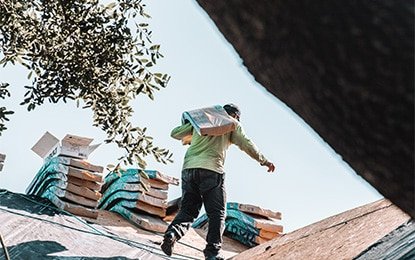
What is the Best Time of Year to have your Roof Replaced?
Roof Replacement, Roofing

What is the Best Time of Year to have your Roof Replaced?

Roof replacements take an immense amount of planning. They’re time-consuming and should get done as quickly as possible. Major delays can become frustrating for any homeowner. That makes it incredibly important to know when the best time of year to have your roof replaced is. Luckily, Honey Bees Roofing & Solar has all the information you need to determine when you should replace your home’s roof. Spring After the last winds of winter blow through and the weather begins to warm up, many people start figuring out what about their homes may need fixing. Between the possible damages from winter and the feeling of renewal that spring brings, it’s a perfect time for housework. But is it the best time for a roof replacement? If you’re noticing signs of damage from the previous season, then getting roofing repairs should be a top priority. The longer you wait to fix clear problems on a roof, the more likely it is for the problems to grow. While repairs need to be done as soon as possible, what if you need a new roof altogether? Well, spring isn’t the worst time to replace the roof. However, if there are any rain showers during the roof replacement then the project may have some delays. Fortunately, roofers have the tools and expertise to get a roof done no matter the weather, so it’s unlikely for the delays to be major. Early spring typically isn’t an incredibly busy time for roofing contractors. Although, the closer to summer you get, the more likely it is for roofers to have a full schedule. Summer Summer is when the roofing industry is starting to become busy, and scheduling can be unpredictable. Early summer typically has a little less rain and isn’t nearly as hot as late summer. That makes it the perfect time for both roofers and their materials. Nevertheless, that does mean that very often a roofer’s schedule will fill up quickly. That can make it difficult for homeowners to find the right time for their roof replacement. Prices can go up and time slots limit when the roofer will have time. If you don’t plan ahead, summer isn’t necessarily the best time for a roof replacement. It’s best to contact a roofing contractor as soon as possible if you’re considering a roof replacement. Fall A roof replacement in the fall is typically ideal. Not much rain, paired with warm enough weather to easily work on roofing makes fall one of the best times to replace your roof. In addition, getting a more energy-efficient roof before winter can help keep your energy bill down as well as keep the heat inside of your home. However, because fall is nearly perfect for a roofing replacement it also is a very busy time for roofers. Many homeowners try and replace their roofs in the fall, which means it’s a good idea to plan ahead and get yourself a timeslot early. Call a Professional What is the best time of year to have your roof replaced? The best time to get a roof replacement is when you can prepare for it. Taking time out of your schedule may be difficult, but it makes the entire roofing process much easier. If you’re interested in a roof inspection or would like a roof repair then Contact Honey Bees Roofing & Solar online or give us a call today at 817-668-6131! We offer free roofing inspections so we can help you choose the best roofing option for your home. In addition, we can work on any type of roof and help you determine what may need to be repaired. If you need a free roof inspection, don’t hesitate to contact us!
Roof Replacement vs ACV Policies
Tips and Tricks

Roof Replacement vs ACV Policies

A roof is by far any building’s best defense against all the weather that nature can throw at it. However, over time a roof will start to take damage from inclement weather. Many people wonder how their insurance policy will cover that damage to their roofing. Most insurance policies have one of two types of coverage for roofing. Your roof’s value can be its current condition or its full replacement cost. Roof replacement vs ACV policies, but which one is better? And what are their differences? It’s important to understand your coverage to have a better understanding of how your policy protects your home. Types of Roofing Insurance Policies Homeowner’s insurance should cover your roof, but the type of coverage can vary greatly. In fact, there may be situations in which your roof isn’t covered at all. For example, if your roof is far too old or if it’s in incredibly poor condition then your insurance company may exclude coverage for roof damage. If you’re unsure what your policy covers then you should call your agent for more information. Actual Cash Value (ACV) Actual cash value coverage means that your insurance company will pay you for the value of your roof in its current state. In simpler terms, the depreciation of your roof is a major factor in your settlement’s payout. A claims adjuster will come and inspect the roof to determine its value and its remaining life. They’ll then determine the depreciation and use all of that information to determine your actual cash value. ACV insurance is typically cheaper than other policies and is generally for older roofs or roofing in poor condition. In most cases, you can choose if you want an ACV policy or something else. However, sometimes the age of your roof may be so great that you aren’t given the option by your insurer. Replacement Cost Coverage Replacement cost coverage means that your insurance will completely pay to replace your roof with a similar roof. The claims adjuster will research what roofing is similar to yours in material and base the settlement on the research they do. The settlement should entirely cover the cost of replacing your roof. That means that the only thing you’d have to pay for out of pocket would be the deductible. However, replacement cost coverage is typically more expensive than ACV coverage. In addition, most insurance providers will turn a replacement cost policy into an ACV policy after the roof gets to a certain age. For most policies, it’s when the roof becomes 15 years old. Call a Professional Roof replacement vs ACV policies, which is right for you? It mainly depends on how much you’re willing to spend on your roofing insurance, plus the age and condition of your roof. If you’re interested in installing a new roof or need help repairing your roof then Contact Honey Bees Roofing & Solar online or give us a call today at 817-668-6131! We offer free roofing inspections so we can help you choose the best roofing option for your home. We are one of the leading solar installers for the Burleson, Fort Worth, area and can help you take steps to have one of the most energy-efficient options possible. If you want to have a lower energy bill, keep your home cooler, or help the environment with energy-efficient roofing options then don’t hesitate to contact us!

Can Solar Panels be Installed in a Commercial Building?
Commercial Roofing, Solar, Solar Installation

Can Solar Panels be Installed in a Commercial Building?

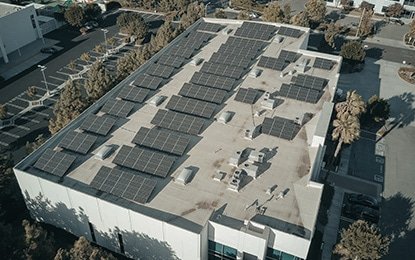
Many people are moving toward the prospects of renewable energy for their homes. Solar power lowers your electric bill, makes your home more sustainable, and also helps the environment. It’s a worthwhile investment that you will get a return from. However, some people don’t just own a home, but also a commercial business. Can solar panels be installed in a commercial building? Honey Bees Roofing & Solar has the answers your business needs to determine if renewable energy is right for you. Can Solar Panels be Installed in a Commercial Building? Utilizing one of the most plentiful energy sources available is an excellent decision for any business owner. Installing solar panels on commercial buildings is a different process than installing them on a home, but it’s doable. Many commercial businesses are already using the energy from the sun to help power their facilities. There are many benefits of installing solar panels on the roof of your business’s commercial building. Not only do you save your own energy, but solar panels help show customers and shareholders that you care about the environment. In addition, solar panels are typically a low-maintenance part of a building. That makes renewable energy easy and useful for any roof! Benefits of Solar Panels on a Commercial Building Save on Energy Costs The most obvious benefit of solar panels on a commercial building is the savings on your electric bills. Commercial buildings can use a large amount of energy to run properly. Between air conditioners, water heaters, and massive light arrays there are plenty of appliances that need power. Solar panels will actively make energy for these appliances during the day, during what is traditionally the busiest hours for a business. In addition to the savings on your electric bill, solar panels will also qualify you for multiple tax credits. Save cost on your building by using available solar energy! Promote Clean Energy Many customers, and shareholders, care about their effect on the environment. By installing solar panels you’re showing that you also care about the planet. That can bring in conscientious consumers that have yet to use your business. It opens the door to a whole subsection of people that might need one more little push to start becoming regular customers. All of that in addition to the savings that the panels make through creating electricity makes the investment more than worth it! Low Maintenance Solar panels are incredibly low maintenance and last for many years. Most renewable energy systems can withstand harsh weather like rain, snow, and even hail! The solar cells in the panels have protective glass to protect them. In addition, they typically come with warranties that will help replace any broken parts on the off chance that they fail. The ability to create your own energy with very little work after the initial installation is a worthwhile opportunity for any business! If you’re looking for solar panels for your commercial building, contact a professional solar installer to start the process. Call a Professional Installing solar panels on commercial buildings isn’t just possible, we recommend it. It saves you money and can attract more customers. If you’re interested in a no-pressure educational conversation about solar energy or installing solar panels on your building then Contact Honey Bees Roofing & Solar online or give us a call today at 817-668-6131! We offer free roofing inspections so we can help you choose the best roofing option for your home. In addition, we can work on any type of roof and help you determine what may need to be repaired. If you need a free roof inspection, don’t hesitate to contact us!

What to do if you have Hail Damage?
Hail Damage, Roof Repair, Roofing

What to do if you have Hail Damage?

Hail storms are frequent in the Dallas, Fort Worth area, and do serious damage to property. In fact, large hailstones can even plummet towards the earth at over 100mph! One of the things that can take the most damage is your roofing. While your roofing is designed to protect the rest of your home, when it’s hurt it can lead to major problems. From water damage and leaks to needing a potential full replacement. But, what do you do if you have hail damage? Well, Honey Bees Roofing & Solar has all the information you need for calm after the storm. Prepare for Hail! One of the best things you can do before a storm hits is to get ready for it! Prep work like checking for previous damage, cutting back tree limbs that are hanging over your home, and inspecting your gutters can help your roof stay in decent shape after a squall. Make sure you’re being safe during hail as well, by staying inside and away from windows. What are the Signs of Hail Damage? There are many signs of damage to look out for, but it mainly involves a change in the appearance of your shingles. One major sign is dark spots on the roof that are lacking granules. These spots are where hailstones hit the roof. The impacts damage your shingles, and they may need replacing. If the impacts are hard enough they can tear shingles, causing bits and pieces of shingles to slide off of the roof. If you see any part of your roofing, either physical pieces or small asphalt granules, your roof needs an inspection for damage. What to do After a Hail Storm Once the Storm Passes The first thing that should happen after a hailstorm is to try to assess damages. Make sure your family is safe and then take a look around your property. Make notes and take pictures of anything that has been broken by the squall. Look for signs of roofing damage at the edge of your roofing and where your downspouts deposit. Try your best to take steps to avoid further damage. If you have any major damage to your roof, call a local roofing company to get an emergency tarp put over it. Work on an Insurance Claim Once you or your roofer has evidence collected, get a hold of your insurance agent. You’ll want to start your insurance claim as soon as possible, as the process can take some time. The sooner you start the claim, the sooner you can get financial support to fix any property damages. Some insurance claims can be made up to a year after the incident, so you may have time if life gets in the way. However, double-check your specific policies to determine their specific timeframe. Call a Professional Hail damage can be sudden and lead to extreme loss. It’s also often a very lengthy and trying process to fix without the help of a professional. This process can be quite stressful, but Honey Bees Roofing & Solar is here to help. We’ll meet with you and your insurance adjuster on-site to discuss the restoration plan for your home. We’ll help you navigate the homeowner’s insurance claims process, thus relieving you of stress and helping you get the best reimbursement. We specialize in ensuring you receive everything you’re entitled to under your insurance policy. If you need help with roof repairs or understanding the roofing insurance process, Contact Honey Bees Roofing & Solar online or give us a call today at 817-668-6131! We would be more than happy to help!

Honey Bees Roofing

525 E Bethesda Rd.
Burleson, TX 76028
Phone 817-668-6131

Support

Important Links

FAQ

Contacts

Contacts

(732) 262-3141
380 Birch Bark Dr
Brick, New Jersey(NJ), 08723


525 E Bethesda Rd.
Burleson, TX 76028
Phone 817-668-6131

Scroll to Top