EPDM Roofing: What Is It and Why Your Business Needs It
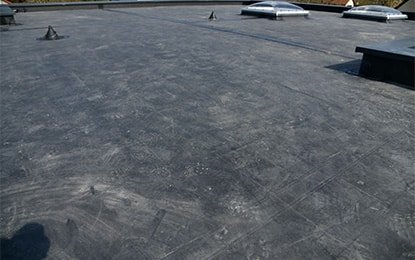
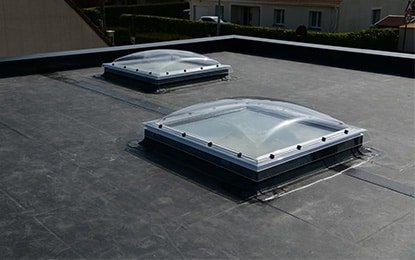
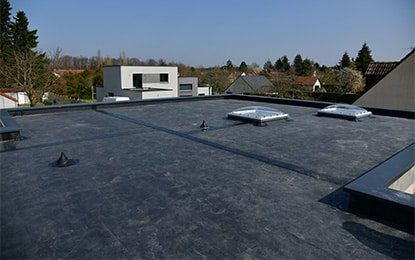
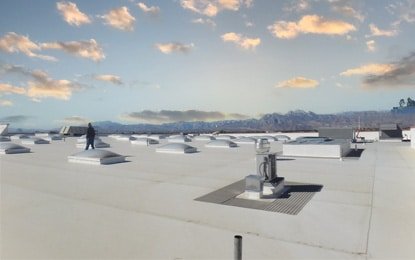
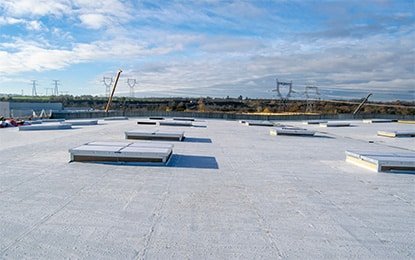
A low-slope or flat roof for your business can offer safety and cost-efficient benefits. It gives your building better protection against the elements, especially in harsh weather conditions. They also require low maintenance and provide your commercial property with better energy efficiency with their cooling factors. One of the best ways to enjoy these valuable benefits is to invest in ethylene propylene diene monomer (EPDM) roofing. It’s a highly durable but affordable roofing material that can last up to three decades and is very resistant to environmental factors. However, sometimes you may be uncertain if this material is best for your commercial or residential property. This article will discuss EPDM roofing and why your business needs it today. What Is EPDM? It’s a solid and versatile synthetic rubber that contractors use in roofing low-slope and flat roofs because of its unique consistency, making it more resistant to damage than other roofing materials. Its flexibility and durability make it an excellent choice for any roofing project. Manufacturers create this polymer from three different organic compounds and hydrocarbons: ethylene,propylene, and a diene component. They can also combine these molecules to form a terpolymer. Why Did They Invent EPDM Roofing? Experts designed this synthetic rubber to be more resistant to ultraviolet (UV) light and other environmental factors than traditional rubber. Contractors can use this roofing material outdoors without suffering significant damage. This property makes it ideal for applications where the rubber must remain intact despite prolonged exposure to the elements. How to Install This Roofing Manufacturers create EPDM roofing in large sheets that contractors can roll on top of your roof for quick and easy installation. This section will enumerate three ways your contractor can install your new roof. Adhered Your contractors will affix the rubber roofing to the roof base with a strong adhesive. While this procedure needs more time and money to complete, it produces a more durable EPDM roofing system for your commercial property. Ballasted Professionals will lay a layer of insulation over the roof and use a strong adhesive to glue it together. They will later weigh down with concrete pavers to ensure their stability. Mechanical Attachment Your contractors can also mechanically attach your EPDM roofing to the surface with screws, fasteners, or latches. While mechanically installing the roofing may be quick and reliable, you must remember that it may not be as secure as if they adhered the material to the roof. How Much Is the Overall Installation Cost? The installation cost for your EPDM roofing will depend on various factors, like how your contractors will install them, how much area needs coverage, and the work needed to remove an existing roof structure. Unlike other roofing materials, letting your contractors install EPDM roofing can usually range from six to eight dollars per square foot. What Are the Benefits of EPDM Roofing? After discussing a brief background about this roofing material and how to install it, here’s why your commercial property needs one today. Offers Tremendous Property Value As a property owner, you want to look for ways to make your business more attractive to potential stakeholders. While EPDM roofing may be easy to install and requires minimal maintenance, it offers excellent value for commercial property owners. This material is also highly resistant to UV radiation and other environmental conditions. Easy to Install Other Roofing Features EPDM roofing allows you to install additional features like a rooftop garden or a solar array. That way, you can further boost property value. Reduce Energy Bills You can significantly reduce your frustratingly high energy bills and enjoy better efficiency by having an EPDM roof. You can also paint it white to achieve that cooling effect. Important to Remember Remember that EPDM roofing works best for low-sloped or flat roofs. You must also ensure your contractors install it on flat, unseen roof sections in your commercial property. Final Thoughts EPDM roofing works best for commercial properties because of its durability, energy efficiency, and minimal maintenance requirements. You can enjoy these benefits by working with a professional roofing contractor. If you want someone to install EPDM roofing in Burleson, TX, work with Honey Bees Roofing & Solar! We are a hardworking roofing company dedicated to delivering high-quality services. Give us a buzz now and prepare to bee amazed with your new roof!